
Colorado Springs Neighborhoods Guide: Where to Live and What Moving There Is Like
Colorado Springs covers a lot of ground. The city stretches from the foothills of Pikes Peak on the west to open prairie on the east, and each part of town has its own housing, traffic and terrain. Where you choose to live shapes your daily commute, and it also shapes your moving day: a narrow historic street, a steep foothills driveway and a new-build cul-de-sac all call for different planning.
This guide walks through the areas people move to most often and what to expect when the truck arrives. If you are still deciding whether the city is right for you, start with our guide to moving to Colorado Springs.
Briargate and the North Side
Briargate is one of the most popular choices for families. It is known for well-kept subdivisions, parks and trails, and access to Academy District 20 schools. Interquest and the Powers corridor nearby add shopping and restaurants.
Moving here: Most homes are newer two-story builds with attached garages and wide streets, so trucks can usually park close to the door. HOAs are common, and some limit how long a moving truck can stay on the street or require notice. Check your HOA rules before moving day.
Old Colorado City and the West Side
Old Colorado City is the city’s historic heart, with shops, galleries and older homes on tree-lined streets. The west side as a whole appeals to people who want character and quick access to Garden of the Gods and Red Rock Canyon.
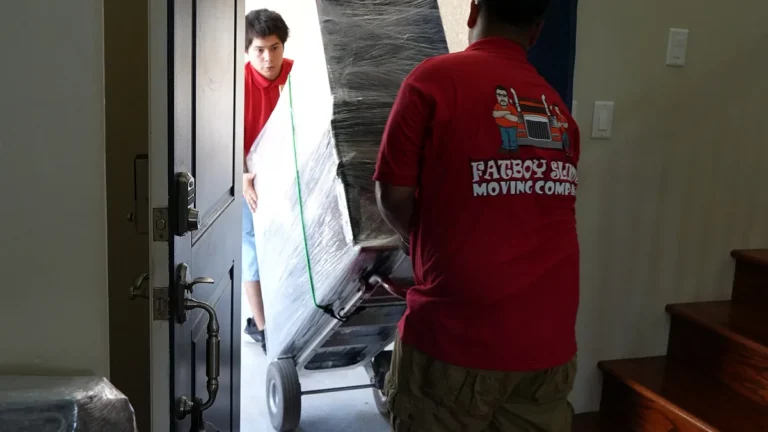
Moving here: Older homes often have narrow staircases, smaller doorways and tight street parking. Measure large furniture and doorways in advance, and plan where the truck will park. Some streets near the shopping district are busy on weekends, so a weekday move is often easier.
Downtown
Downtown has grown quickly, with new apartments and condos near Acacia Park, the Olympic and Paralympic Museum and a busy restaurant scene.
Moving here: Most downtown moves involve elevators, loading docks and building rules. Reserve the elevator and loading area with property management, ask for a certificate of insurance if the building requires one, and confirm move-in hours. Our apartment moving guide covers this in more detail.
Broadmoor and the Southwest
The Broadmoor area and the southwest foothills offer larger homes, mountain views and quick access to Cheyenne Mountain. Cheyenne Mountain School District 12 serves much of this area.
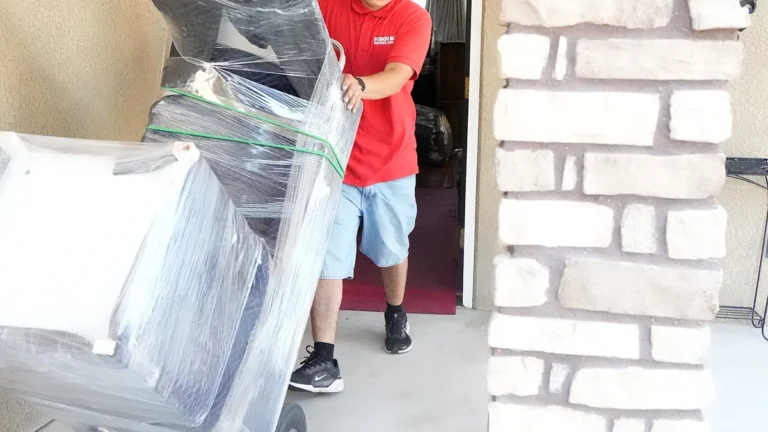
Moving here: Expect long driveways, steep grades and homes with more stairs. Large and valuable items such as pianos, artwork and antiques are common. Tell your movers about slopes, gates and stairs ahead of time so they bring the right equipment and crew size. In winter, shaded driveways can stay icy long after main roads clear.
Powers, Stetson Hills and the East Side
The east side has seen much of the city’s newer construction. Neighborhoods around Powers Boulevard and Stetson Hills offer newer homes at a wide range of prices, close to Peterson Space Force Base and Schriever Space Force Base.
Moving here: Newer subdivisions mean easy access for trucks, but some are still under construction, so GPS may not show your street. Send your movers a clear address and directions. Wind on the eastern plains can be strong, so secure loose items and mattresses during loading.
Fountain, Security-Widefield and the South
South of the city, Fountain and Security-Widefield are popular with military families because of their proximity to Fort Carson. Homes are often more affordable and lots larger.
Moving here: Many moves in this area are PCS moves with tight report dates. If you are arranging your own move or a partial DITY move, our military moving services page explains how we work with service members.
Monument and the Tri-Lakes Area
North of the city along I-25, Monument, Palmer Lake and the Tri-Lakes area offer a small-town feel with a reasonable commute to Colorado Springs or Denver.
Moving here: Monument sits higher than the city and often gets more snow. I-25 over Monument Hill can close or slow quickly in winter storms, so keep a flexible schedule between November and April.
How to Plan Your Move Around the Neighborhood
Whichever area you choose, a few steps make moving day smoother:
- Check access: Note stairs, elevators, long walks from parking and steep driveways.
- Check rules: HOAs and apartment buildings may have truck, parking or time restrictions.
- Time it well: Weekdays are usually easier in busy areas, and early starts help in winter.
- Share details: Tell your movers about anything unusual so they can plan crew size and equipment.
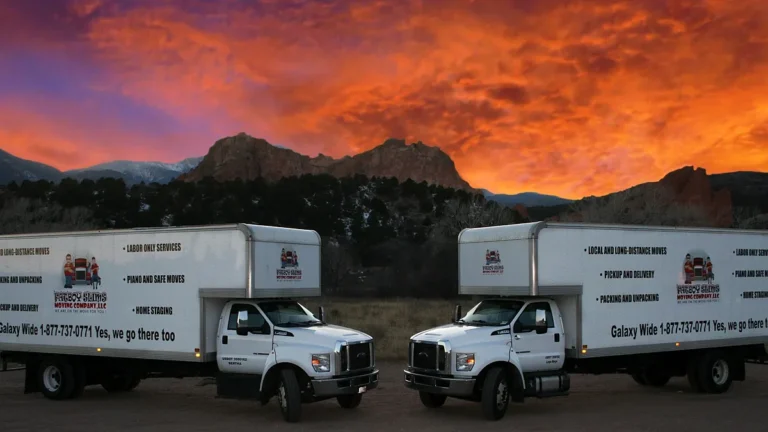
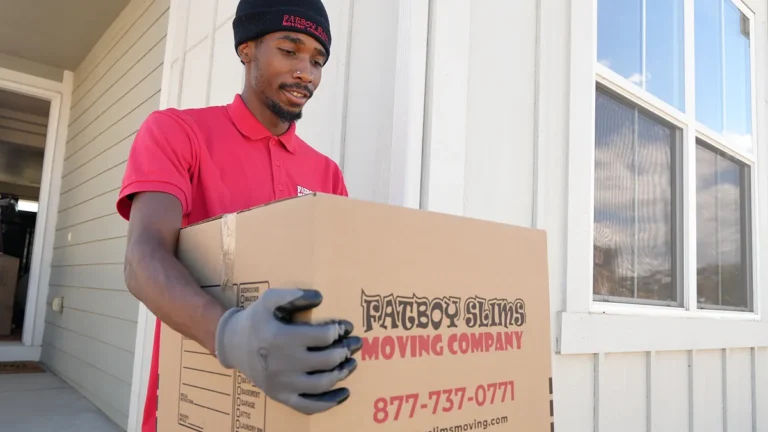
Local experience matters here. Colorado Springs movers who work across the city every week know which streets are tight, which neighborhoods have HOA rules and how weather changes conditions from one side of town to the other. Fatboy Slims Moving Company offers local moves across Colorado Springs with hourly rates billed to the minute, so you only pay for the time your move takes. To see what affects the total, read our breakdown of the cost of movers in Colorado Springs.
Find Your Place in Colorado Springs
Colorado Springs offers something for almost everyone, from historic homes on the west side to new builds out east. Spend time in a few neighborhoods before you decide, think about your commute and schools, and plan your move around the specific features of your new street.
When you are ready, request a free moving estimate and tell us where you are headed.